

Laos, Season by Season
Misty mountains, waterfalls, and the quietest big-nature escape in Southeast Asia — here’s when to go, what to eat, and what to know before you land.
Laos is landlocked, mountainous, and runs on a simpler rhythm than its coastal neighbors — one dry season, one hot season, one long green season — but the details still shift a trip considerably. Luang Prabang’s misty mornings, waterfall season, and the timing of hill-tribe trekking all depend on getting this calendar right.
Laos’s Three Seasons
The Full-Year Regional Map
Season by Season
Best Visibility, Best Trekking
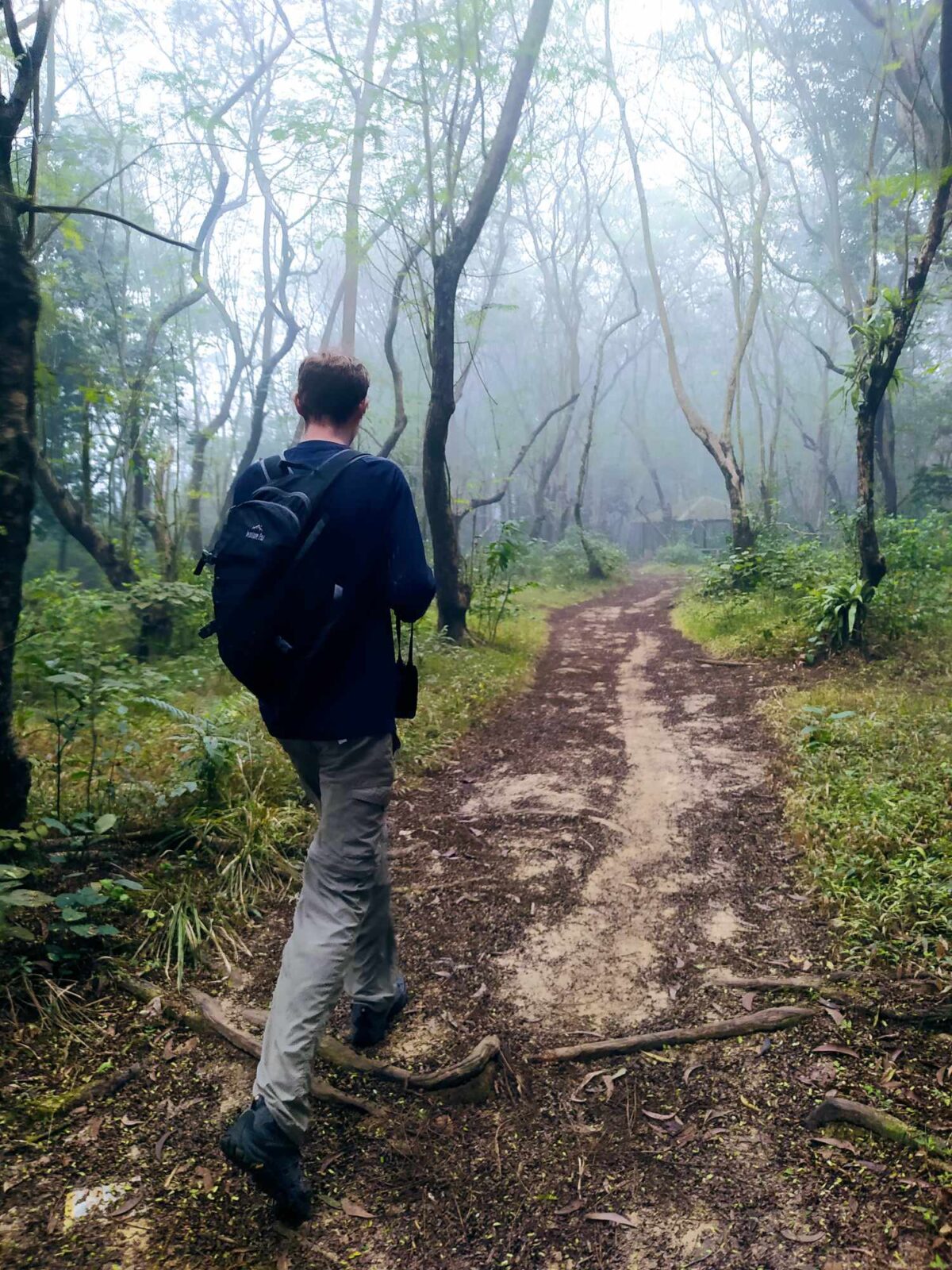
This is Laos at its most comfortable — cool mornings in Luang Prabang (sometimes dropping into the low teens Celsius overnight), clear skies, and the most reliable window for hill-tribe trekking before either the hot season’s haze or the wet season’s mud sets in.
- Families & first-time visitors: a gentle overnight stay in the countryside works well in this cooler window — the village trekking with homestay experience near Luang Prabang is far more comfortable at these temperatures than in the hot season.
- Nature enthusiasts & photographers: visibility is at its clearest for waterfall and mountain views, and cool, dry trails make longer hikes more manageable.
- Friends traveling together: a multi-village day exploring hill tribe communities with a local guide suits a small group well, with easy, dry footing throughout.
Warm Days, Occasional Haze
Temperatures climb noticeably, and this window can overlap with regional agricultural burning that affects visibility, particularly in the north. It’s still workable for travel, but mornings and early evenings become the more comfortable hours for outdoor activity.
- Solo travelers: plan outdoor time for early morning or late afternoon, and treat midday as downtime — cafés and riverside spots in Luang Prabang are made for exactly this.
- Waterfall visitors: flows are lower this time of year than after the rains begin — Kuang Si Falls is still worth visiting, but expect a gentler version of its peak-season turquoise pools.
Full Waterfalls, Fewer Crowds
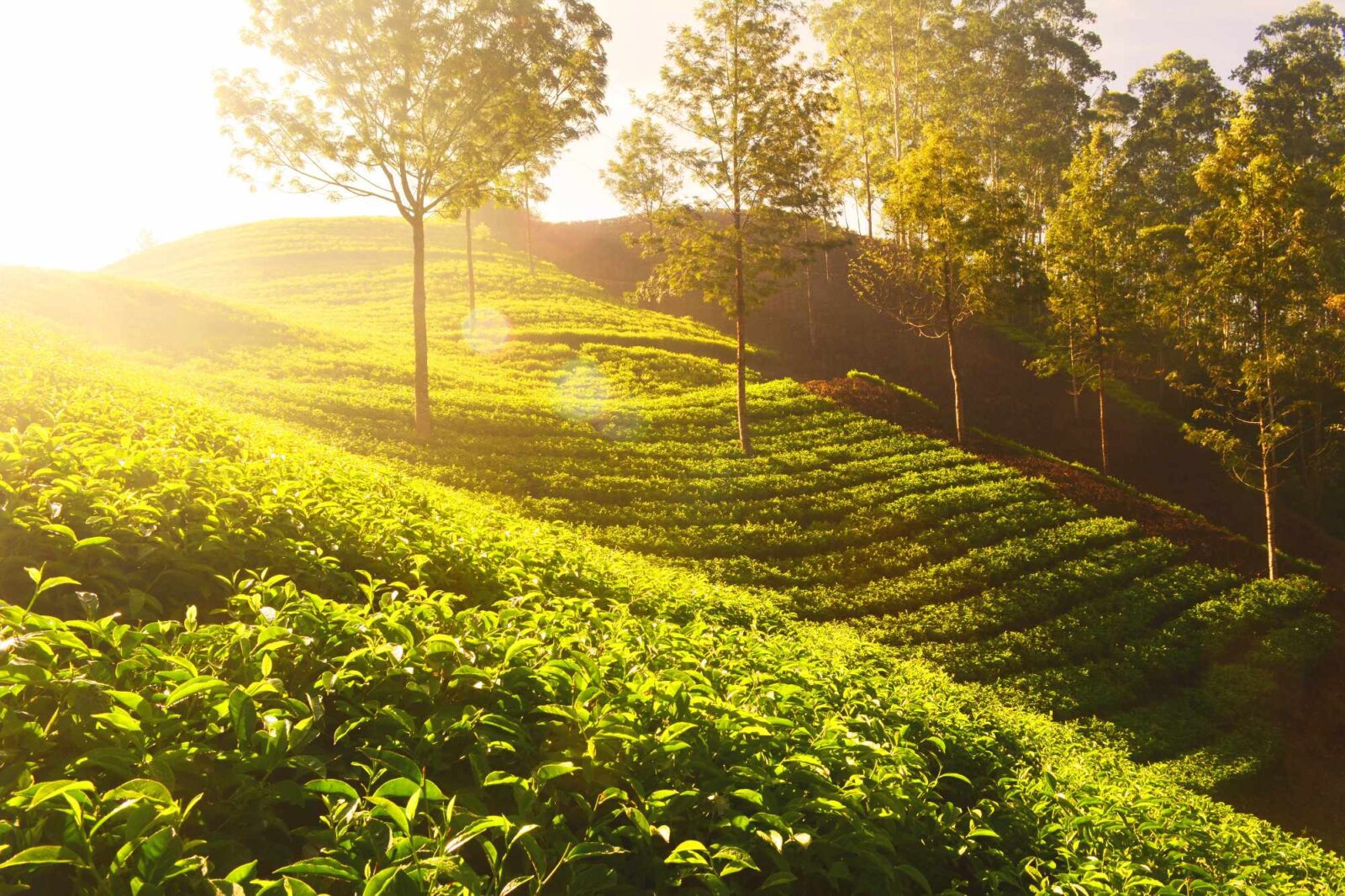
Rain arrives in tropical bursts rather than constant drizzle, and by mid-summer the countryside turns a deep, saturated green — with waterfalls at their fullest and most dramatic. This is also consistently the cheapest and least crowded stretch of the year.
- Nature enthusiasts: this is genuinely the best season for waterfall power and volume — a route combining village trekking with the Tad Sae waterfalls shows the landscape at its most dramatic.
- Budget-conscious travelers: a route built specifically around this quieter window, like the Laos Green Season experience, takes advantage of lower prices and lush scenery rather than working around the rain.
- Photographers: mist over the mountains at sunrise is more common in this season than any other — worth an early start.
Tastes of Laos: What to Eat by Season
Beyond the Standard Menu
Lao food is distinct from its Thai and Vietnamese neighbors — built around sticky rice, fresh herbs, and bold, sour-spicy flavors — and a few dishes are genuinely worth seeking out at the right time of year.
Many countryside homestay experiences, including village-based trekking trips, build a home-cooked meal into the day — often the most memorable food of the whole trip, and a good complement to the market food in town.
Know Before You Go: Practical Tips
Beyond the Itinerary
Quick Decision Guide
| If you want… | Go in… | Why |
|---|---|---|
| Best overall trekking weather | November–February | Cool, dry, clear visibility |
| Fullest, most dramatic waterfalls | July–October | Peak rainy-season flow |
| Lowest prices, fewest crowds | June–September | Off-peak across the country |
| Clearest mountain views (no haze) | December–January | Before agricultural burning season |
| Best fresh seasonal fruit | June–September | Peak mango, jackfruit, longan season |
Frequently Asked Questions
What is the best time of year to visit Laos?
November through February is generally the most comfortable window, with cool, dry weather and the clearest visibility for trekking and waterfall visits.
Is the rainy season a bad time to visit Laos?
Not necessarily. Rain tends to fall in short, heavy bursts rather than all day, and this season brings the fullest waterfalls, lush green landscapes, and the lowest prices of the year.
Is there a haze season in Laos like in northern Thailand?
Yes, agricultural burning can affect air quality and visibility in the north from roughly February through April, so travelers focused on clear mountain views may prefer December or January.
What food should I try in Laos?
Laap, tam mak hoong (spicy green papaya salad), and sticky rice are considered Laos’s signature dishes, and the Luang Prabang night market is one of the easiest places to try several at once.
Is it respectful to photograph the alms-giving ceremony in Luang Prabang?
The ceremony is a genuine religious practice rather than a performance, so visitors are generally expected to keep a respectful distance, dress modestly, and avoid using flash photography.
Planning a trip around Laos’s seasons?
Compare real treks, waterfalls, and homestay experiences around Luang Prabang, and book directly with local guides on Huntown.
Explore Laos on Huntown →
Leave feedback about this
You must be logged in to post a review.