

Two Coasts, Two Monsoons: How to Actually Time a Trip to Sri Lanka
Sri Lanka doesn’t run on one dry season — it runs on two, on opposite sides of the same small island.
Sri Lanka sits at the meeting point of two separate monsoon systems. The Yala monsoon brings rain to the west and south coasts from May to September, while the Maha monsoon swings around and soaks the east and north from October to January. The result: whichever coast is wet, the other is almost always dry.
Why Sri Lanka Has Two Dry Seasons
Season by Season, Coast by Coast
West & South Coast Dry Season
Calm seas, warm sun, and the west and south coasts at their driest and busiest — also whale-watching season off Mirissa.
- Families & first-time visitors: a budget-friendly Colombo escape is built around exactly this season’s calm conditions.
- Couples & newlyweds: the Serandib Splendor Tour strings together several of the island’s best-known stops while the weather holds.
East Coast Dry Season & Best Wildlife Viewing
While the west and south get their rain, the east coast dries out completely, and inland national parks reach their best wildlife-viewing conditions of the year.
- Nature enthusiasts: the Leopard Safari Tour out of Monaragala is built around this exact season, when animal movement near water sources is most predictable.
The Hill Country’s Own Climate
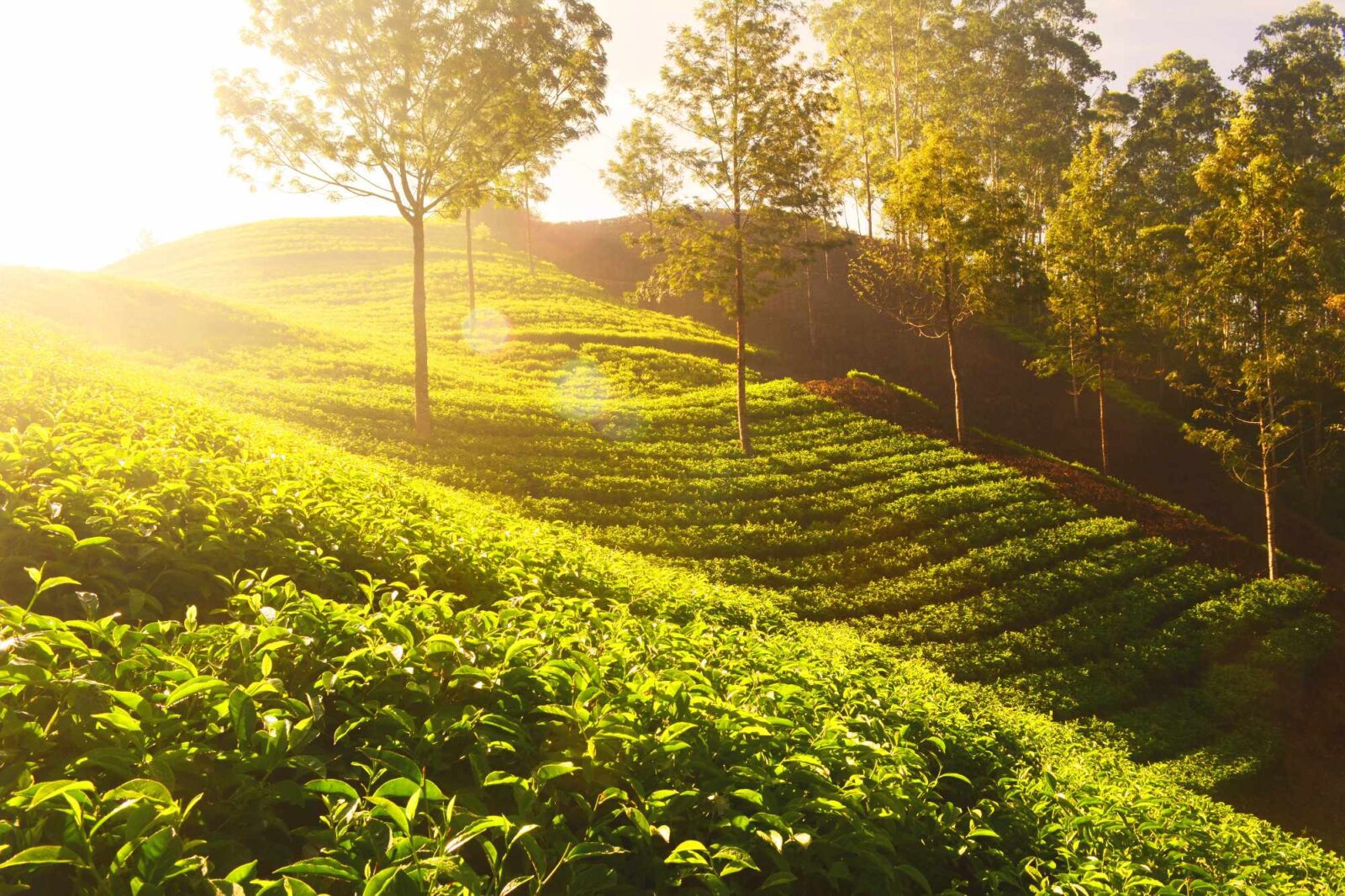
Kandy and Nuwara Eliya sit high enough that neither monsoon really touches them — mild days, cool evenings, and tea-estate scenery that barely changes with the seasons.
- Older couples & slow travelers: the Highland Escape around Kandy is an easy-paced way to take in temple visits and lake walks.
- Nature enthusiasts: the Highland Majesty Heritage route through Nuwara Eliya covers the region’s best-known viewpoints.
Tastes of Sri Lanka: What to Eat by Region
Rice, Curry, and Ceylon Tea
Know Before You Go: Practical Tips
Beyond the Itinerary
Quick Decision Guide
| If you want… | Go in… | Head to… |
|---|---|---|
| Guaranteed beach weather | December–March | West & South Coast |
| Best wildlife/leopard viewing | May–September | Southern dry-zone parks |
| Cool climate, tea country | Jan–Apr or Aug–Sep | Kandy & Nuwara Eliya |
| Lowest prices, fewer crowds | October–November | Anywhere, with flexibility |
Frequently Asked Questions
What is the best month to visit Sri Lanka?
There isn’t a single best month for the whole island — December through March is best for the west and south coasts, while May through September is best for the east coast and wildlife parks.
Why does Sri Lanka have two dry seasons?
Sri Lanka sits between two monsoon systems: the Yala monsoon brings rain to the west and south from May to September, while the Maha monsoon brings rain to the east and north from October to January.
When is the best time for a leopard safari in Sri Lanka?
May to September in the island’s southern dry-zone parks tends to offer the most reliable sightings, since animals gather more predictably around limited water sources.
What food should I try in Sri Lanka?
Rice and curry, hoppers, and kottu roti are all worth trying, along with fresh Ceylon tea sourced close to Kandy or Nuwara Eliya.
Planning a trip around Sri Lanka’s seasons?
Compare real coastal stays, highland tours, and wildlife safaris across Sri Lanka, and book directly with local operators on Huntown.
Explore Sri Lanka on Huntown →
Leave feedback about this
You must be logged in to post a review.