

Why Thailand’s Two Coastlines Never Get Rained On at the Same Time
Temple gold, tropical teal, and two coasts that run on opposite monsoons — here’s exactly when and where to go.
Thailand’s calendar runs on three broad seasons, but the real trick is knowing that its two coastlines don’t follow the same calendar — the Andaman side (Phuket, Krabi) and the Gulf islands (Koh Samui, Koh Phangan) take their rain at almost opposite times of year.
Thailand’s Three Seasons — and Two Coasts
Season by Season
Peak Season: Comfortable Everywhere
Lower humidity, cooler evenings, and clear skies across nearly the entire country, from Bangkok’s temples to the northern hills.
- Families: a half-day around Wat Phanan Choeng in Ayutthaya is comfortable to walk even at midday this time of year.
- Nature enthusiasts: a day trip north of Chiang Mai is best in December and January, before the region’s dry-season haze sets in.
The Heat Before the Rain
Central Thailand and Bangkok reach their hottest and most humid stretch, often pushing past 38°C in April.
- Solo travelers: early mornings are the most comfortable time to visit outdoor sites like Pattaya’s coastal attractions before the midday heat sets in.
- Friends traveling together: Songkran (mid-April) falls in this season — plan around it deliberately rather than being caught by surprise.
Lower Prices, Greener Landscapes
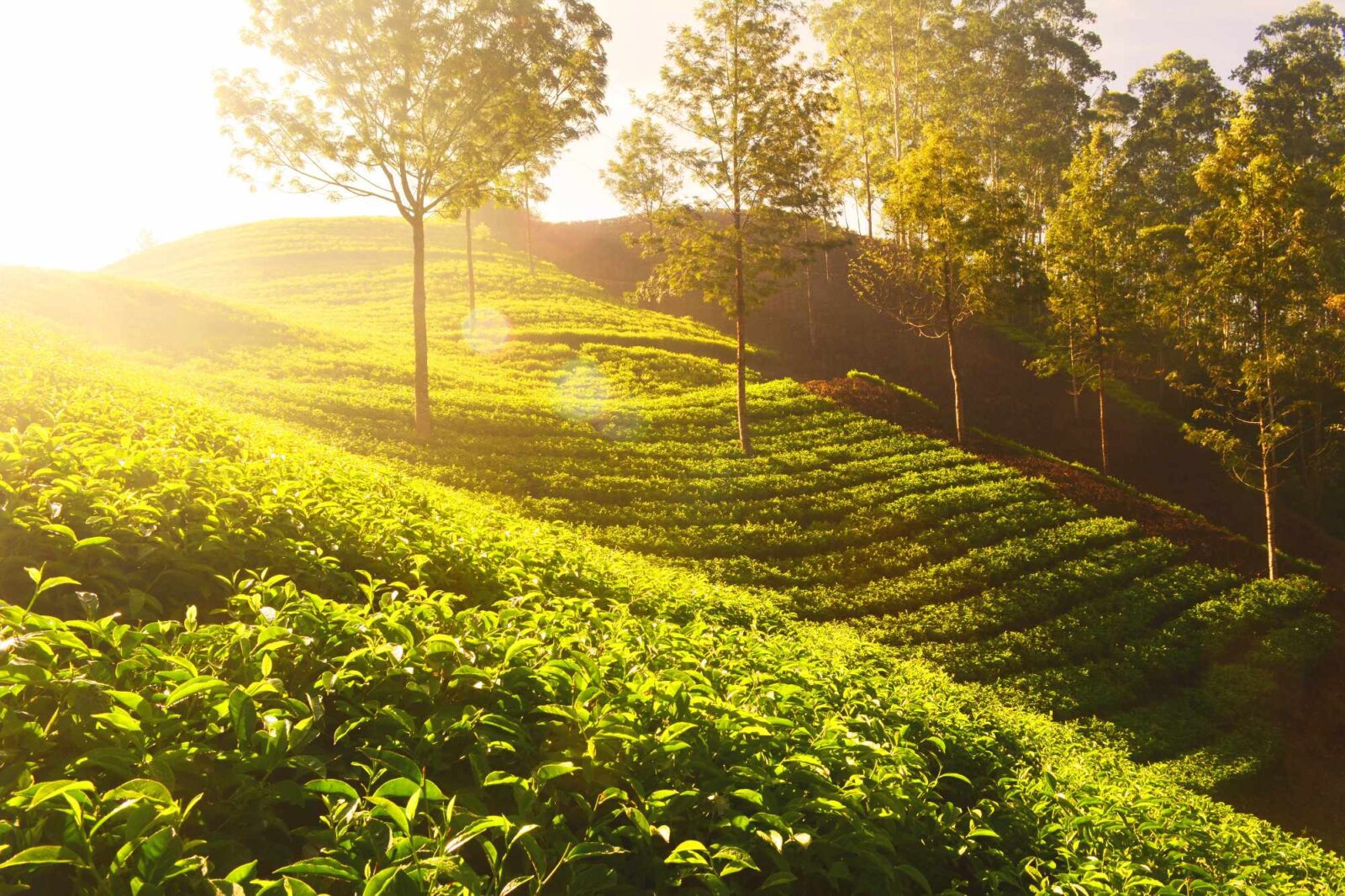
Rain tends to arrive in short, heavy bursts across much of the mainland, leaving plenty of dry hours around it — and the Gulf islands are at their driest in this window.
- Market explorers: the floating markets near Bangkok, including a stop at the Maeklong Railway Market, are just as lively and often less crowded in this season.
Tastes of Thailand: What to Eat by Region
Beyond Pad Thai
Know Before You Go: Practical Tips
Beyond the Itinerary
Quick Decision Guide
| If you want… | Go in… | Head to… |
|---|---|---|
| Comfortable weather everywhere | November–February | Anywhere on the mainland |
| Dry beach time on a budget | June–September | Koh Samui & Gulf islands |
| Clear northern skies (no haze) | December–January | Chiang Mai & the north |
| Cultural festival immersion | Mid-April (Songkran) | Anywhere, booked ahead |
Frequently Asked Questions
What is the best time of year to visit Thailand?
November through February is generally the most comfortable window across the whole country, with cooler temperatures and lower humidity.
Do the Gulf islands and Andaman coast have the same weather?
No — the Andaman coast is wettest from June to October, while the Gulf islands are wettest from October to December.
Is it worth visiting Chiang Mai during burning season?
Late February through April can bring haze from agricultural burning in the north, so travelers sensitive to air quality may prefer December through January.
What food should I try in Thailand?
Khao soi in Chiang Mai, tom yum, and mango sticky rice in the hot season are all worth seeking out beyond the usual pad Thai.
Planning a trip around Thailand’s seasons?
Compare real tours, attractions, and stays across Thailand, and book directly with local operators on Huntown.
Explore Thailand on Huntown →


Leave feedback about this
You must be logged in to post a review.