

Rivers, Rickshaws, and the World’s Largest Mangrove Forest
Bangladesh runs on its rivers and its rain — here’s how the country’s delta landscape changes through the year, from tiger tracking to the world’s longest beach.
Bangladesh is built almost entirely on a river delta, which means its calendar is set less by temperature than by water — how much of it is falling, and how high the rivers are running. Winter is the country’s most comfortable and popular season, but each season genuinely changes what’s worth doing, from mangrove wildlife to the longest natural sea beach on Earth.
Bangladesh’s Year at a Glance
Season by Season
The Comfortable, Popular Season
Temperatures rarely climb past 29°C, humidity drops, and this is the country’s clear peak travel season — the most reliable window for nearly every major destination.
- Nature enthusiasts: the Sundarbans mangrove forest offers its best wildlife visibility in this window, as the dry season concentrates animals, including the Bengal tiger, closer to remaining water sources.
- Beach travelers: Cox’s Bazar’s waters are calmest and safest for swimming in winter, well clear of the rougher monsoon-season surf.
- Culture-focused travelers: Old Dhaka’s Lalbagh Fort, Ahsan Manzil (the Pink Palace), and the Star Mosque are all easy, comfortable walking destinations in the cooler air.
Hot, Building Toward the Rains
Heat and humidity climb steadily through this stretch, and it also marks the start of cyclone season along the Bay of Bengal coast — a genuine consideration for anyone planning coastal travel.
- Flexible travelers: inland destinations like Dhaka are still workable with careful planning around the hottest midday hours.
- Coastal travelers: check current cyclone forecasts before finalizing any Cox’s Bazar or coastal trip in this window, since storm activity does pick up along the Bay of Bengal in these months.
Lush, Green, and Genuinely Rewarding for the Right Trip
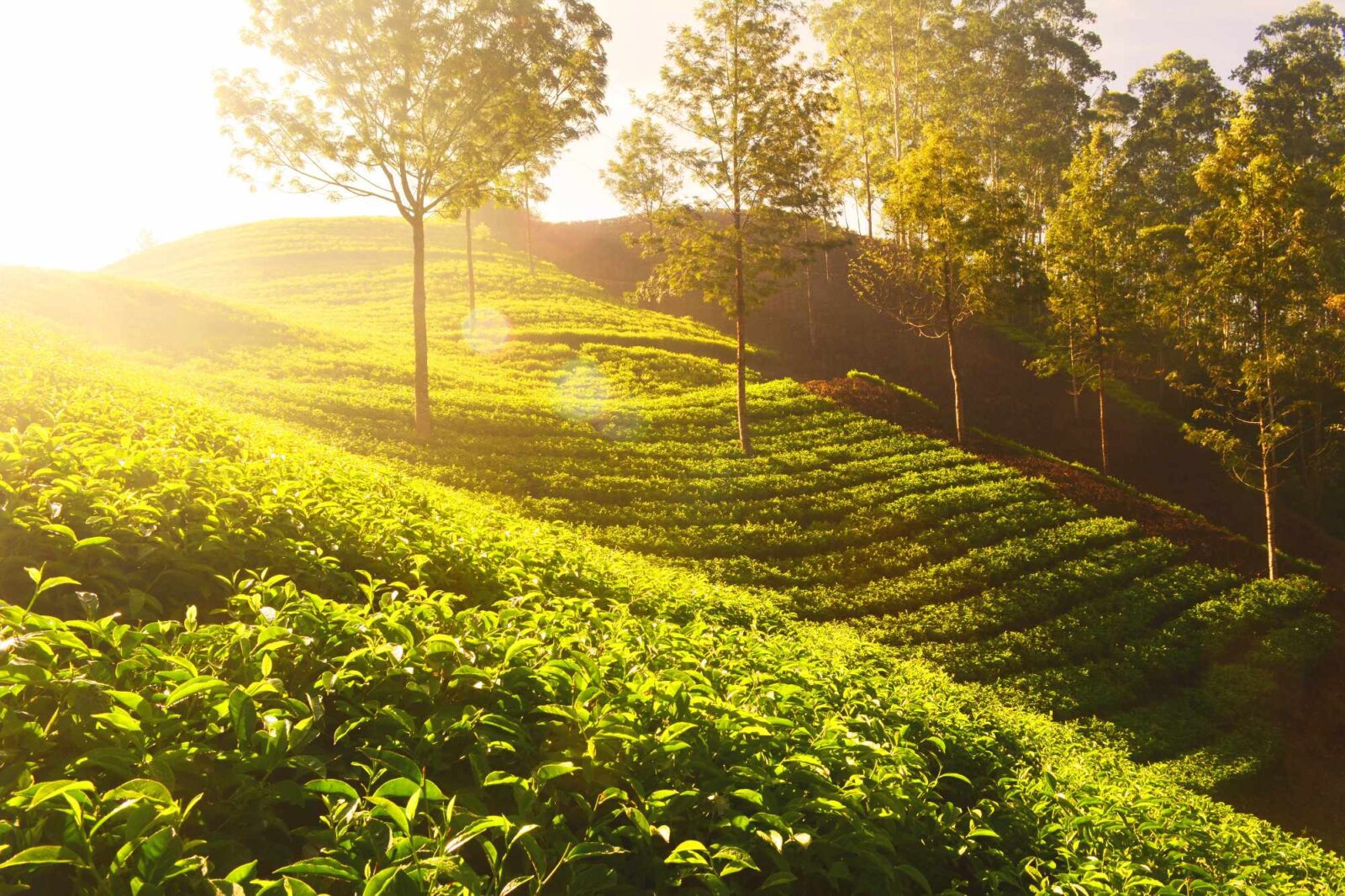
Heavy rain defines this season, and travel disruption is common — but the countryside turns an intense green, rivers run full, and Sylhet’s tea gardens are at their most vivid.
- Nature enthusiasts & photographers: Sylhet’s rolling tea estates are lushest in this window, and the countryside’s rice paddies take on a saturated green rarely seen in the dry months.
- Flexible, adventurous travelers: river travel — a defining part of Bangladeshi life — is at its most dramatic when the rivers are running high, though schedules should stay loose given the risk of delays.
- Practical note: flash flooding is common in parts of the country during peak monsoon months, so this isn’t the season for a tightly fixed itinerary.
Tastes of Bangladesh: What to Eat
A River Country’s Table
Know Before You Go: Practical Tips
Beyond the Itinerary
Quick Decision Guide
| If you want… | Go in… | Head to… |
|---|---|---|
| Best Sundarbans wildlife viewing | November–February | Sundarbans mangrove forest |
| Calm seas at the world’s longest beach | November–March | Cox’s Bazar |
| Lush green tea-country scenery | June–October | Sylhet |
| Comfortable city sightseeing | November–February | Dhaka & Old Dhaka |
Frequently Asked Questions
What is the best time to visit Bangladesh?
November through February is generally considered the best time, with cooler, drier weather and temperatures rarely exceeding 29°C, making it comfortable for outdoor sightseeing countrywide.
When is the best time to see wildlife in the Sundarbans?
The dry winter months from November to February typically offer the best visibility, as animals including the Bengal tiger tend to gather closer to the remaining water sources.
Is Bangladesh’s monsoon season worth visiting?
It can be, particularly for Sylhet’s tea gardens and the countryside’s lush green scenery, though heavy rain and flash flooding make it a season better suited to flexible rather than tightly scheduled itineraries.
Is Cox’s Bazar safe to visit during cyclone season?
Cyclone risk along the Bay of Bengal coast rises in the pre-monsoon (April–May) and post-monsoon (October–November) periods, so it’s worth checking current forecasts before finalizing coastal travel in those windows.
What food should I try in Bangladesh?
Ilish (hilsa fish) and kacchi biryani are considered highlights, alongside street food like fuchka and traditional sweets such as mishti doi and rosogolla.
Planning a trip through Bangladesh’s seasons?
Huntown’s Bangladesh listings are just getting started — check current stays and local services as more of the country comes online.
Explore Bangladesh on Huntown →
Leave feedback about this
You must be logged in to post a review.