

Two Coasts, One Country: Malaysia’s Monsoon Puzzle
Malaysia is hot and humid nearly year-round — but its islands aren’t. Here’s why the east coast shuts down for months while the west stays open.
Malaysia’s temperature barely changes across the year — it’s an equatorial country, hot and humid pretty much always. What changes dramatically is rainfall, and specifically, which coast gets hit. Peninsular Malaysia’s east coast effectively closes for tourism for several months every year, while the west coast carries on largely unaffected. Get this one distinction right and the rest of the planning falls into place.
Malaysia’s Two-Coast Monsoon Pattern
Region by Region
Kuala Lumpur, Penang & Langkawi
The west coast is comparatively sheltered from the worst of the monsoon swings, making Kuala Lumpur, Penang’s George Town, and Langkawi reasonable options in almost any month, with a slightly wetter stretch during the Southwest Monsoon from roughly April to October.
- First-time visitors: Kuala Lumpur’s Petronas Towers and Batu Caves are workable year-round, with brief afternoon downpours the main thing to plan around rather than avoid entirely.
- Food-focused travelers: Penang’s George Town, a UNESCO World Heritage town, is comfortable to explore on foot in almost any season, and its hawker food scene runs daily regardless of weather.
- Couples & island-seekers: Langkawi stays open and dry most of the year, making it a reliable west-coast alternative when the east coast is shut for monsoon.
Perhentian, Redang & Tioman: Seasonal Islands
This is the detail most “best time to visit Malaysia” advice glosses over: the Northeast Monsoon brings rough seas and heavy rain to the Peninsula’s east coast, and many island resorts on the Perhentian and Redang islands close entirely for the season.
- Beach & diving travelers: plan east-coast island trips for March through October, well outside the monsoon closure window, and confirm specific resort opening dates before booking, since they vary slightly year to year.
- Flexible travelers: if visiting during the Nov–Mar window, redirect island time to the west coast instead of assuming the east coast will be operational.
Sabah & Sarawak: Rainforest and Reef
Malaysian Borneo runs on its own pattern — generally wetter October through February, with April through December offering the most reliable diving conditions around Sipadan and Semporna.
- Wildlife enthusiasts: orangutan sanctuaries and rainforest treks are workable most of the year, though drier months make trail conditions noticeably more comfortable.
- Divers: aim for outside the October–February wet stretch for the calmest water and best visibility around Sipadan.
- Climbers: Mount Kinabalu climbing permits are limited and should be booked well ahead regardless of season, since demand consistently outpaces availability.
The Year-Round Escape from the Heat
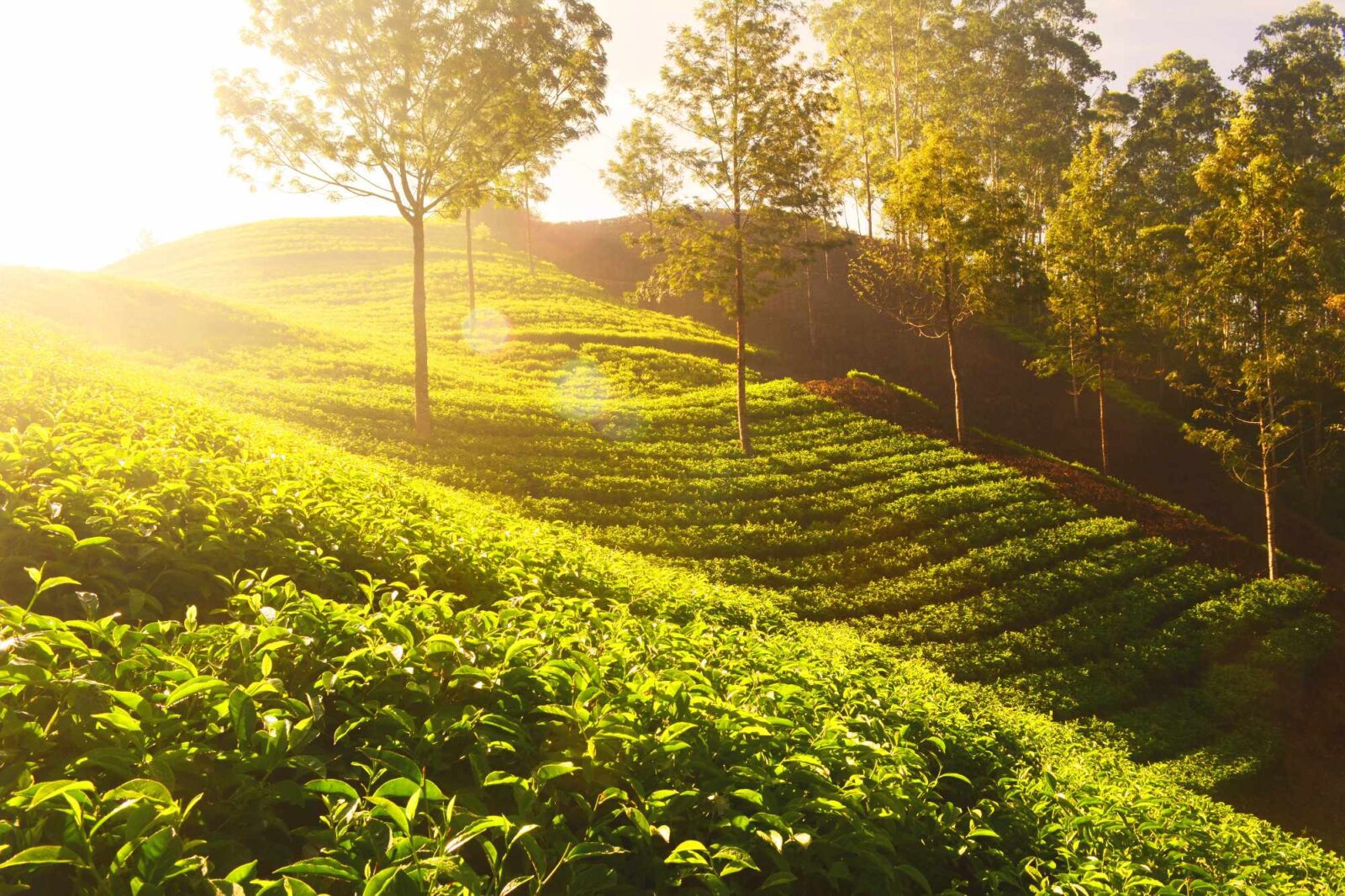
Sitting at altitude in the hills, the Cameron Highlands stay noticeably cooler than the lowlands in every season, making them a reliable option regardless of when the rest of a Malaysia trip is planned.
- Families & older travelers: the tea plantations and strawberry farms make for an easy, mild-climate day away from the tropical heat of Kuala Lumpur or Penang.
Tastes of Malaysia: What to Eat
A Genuine Fusion of Malay, Chinese & Indian Cuisine
Know Before You Go: Practical Tips
Beyond the Itinerary
Quick Decision Guide
| If you want… | Go in… | Head to… |
|---|---|---|
| Reliable year-round city travel | Any month | Kuala Lumpur, Penang & Langkawi |
| East coast island time | March–October | Perhentian, Redang & Tioman |
| Best Borneo diving conditions | April–December | Sipadan & Semporna |
| Cool-climate escape from the heat | Any month | Cameron Highlands |
Frequently Asked Questions
What is the best time to visit Malaysia?
There’s no single best month for the whole country — the west coast, including Kuala Lumpur, Penang, and Langkawi, is largely accessible year-round, while the east coast islands close for monsoon from November to March.
Why do the Perhentian and Redang islands close?
The Northeast Monsoon brings rough seas and heavy rain to Peninsular Malaysia’s east coast from roughly November to March, and many island resorts close entirely for the season as a result.
Is Malaysian Borneo affected by the same monsoon pattern?
Not identically — Sabah and Sarawak tend to be wettest from October to February, with April through December generally offering the most reliable conditions for diving and rainforest travel.
Is the Cameron Highlands worth visiting outside the main travel season?
Yes, its cooler highland climate stays fairly consistent year-round, making it a reliable option regardless of when the rest of a Malaysia trip is planned.
What food should I try in Malaysia?
Nasi lemak is the national dish, and Penang’s assam laksa, char kway teow, and roti canai are all worth seeking out, alongside durian in its peak June to August season.
Planning a trip through Malaysia’s seasons?
Huntown’s Malaysia listings are just getting started — check current stays and local services as more of the country comes online.
Explore Malaysia on Huntown →


Leave feedback about this
You must be logged in to post a review.